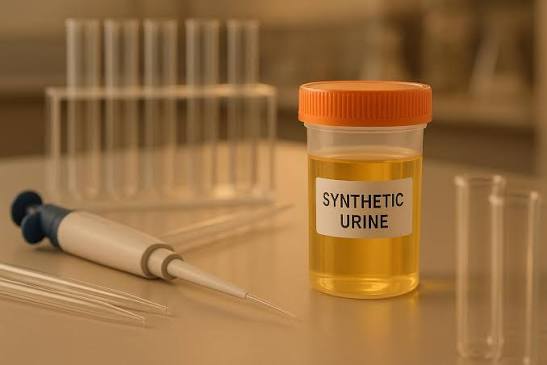
The selection of a synthetic urine kit may seem overwhelming because of numerous identical marketing promises related to the formulation and testing procedures. However, taking into account additional factors and examining the details will help distinguish actual product descriptions from mere marketing statements.
People who compare the Best synthetic urine products should pay attention to specifications, laboratory results, packaging details, and other criteria instead of trusting any product that promises a certain test result.
What Is Synthetic Urine?
Synthetic urine is a manufactured liquid that simulates some of the characteristics typical for human urine. The formulations used by various manufacturers may differ from each other. Therefore, one cannot rely only on the label.
For a buyer, the key question is not simply whether a product claims to be “synthetic urine.” It is whether the manufacturer provides enough information to explain what the product contains and how those claims were evaluated.

Check the Product’s Composition Claims
A credible product description should provide more than general statements such as “realistic formula” or “laboratory quality.”
Look for clear information about characteristics commonly considered in urine analysis, including:
- Creatinine
- Specific gravity
- pH
- Other stated urine-related biomarkers
- Manufacturing and quality-control information
Creatinine is a natural substance normally found in human urine. Specific gravity represents the concentration of dissolved substances. Both can be related to specimen-validity testing. According to SAMHSA materials, there are mentions of the use of biomarkers during assessment of consistency with human urine.
Understand What “Lab Tested” Really Means
The phrase “lab tested” can create an impression of safety and reliability. However, the buyer should inquire what was really tested, which laboratory conducted the process, what was the date of testing, and whether there is any supporting documentation.
SAMHSA research has examined commercially prepared synthetic products using several urine characteristics, including pH, creatinine, specific gravity, and other biomarkers. The findings illustrate why a synthetic product should not be judged by one measurement alone.
This is also where readers comparing the Best synthetic urine products should look past a marketing badge and examine the evidence behind the claim. A laboratory report with identifiable testing information is more useful than an unsupported statement that a product is “lab certified.”
Look at Specimen-Validity Factors
Urine testing can involve specimen-validity checks in addition to testing for drugs or metabolites. Under U.S. Department of Transportation rules, laboratories determine creatinine and pH on primary urine specimens. Specific gravity is also determined when creatinine is below the specified threshold, and laboratories conduct testing for oxidizing adulterants.
| Factor | What it indicates |
| Creatinine | A naturally occurring urine constituent |
| Specific gravity | Concentration of dissolved substances |
| pH | Acidity or alkalinity |
| Adulterant testing | Possible substances that can interfere with analysis |
These checks matter because a laboratory may classify a specimen as negative, dilute, adulterated, substituted, or invalid depending on the findings and applicable testing rules.
Evaluate Packaging, Shelf Life and Documentation
Product quality is not limited to the liquid itself. Packaging and documentation can also reveal how seriously a manufacturer approaches quality control.
Before buying, check whether the product provides:
- A clearly identified manufacturer
- Lot or batch information
- Manufacturing or expiration information
- Storage instructions
- Sealed packaging
- Clear product specifications
- Accessible customer or technical support
A well-documented product gives buyers more information to evaluate. Vague packaging, missing dates, or unsupported laboratory claims should prompt additional caution.
A Simple Buyer Checklist
A practical evaluation can start with seven questions:
- Is the formulation described clearly?
- Are the laboratory-testing claims specific?
- Is supporting documentation available?
- Can the manufacturer be identified?
- Are storage and shelf-life details provided?
- Does the packaging include useful quality information?
- Does the company avoid unrealistic guarantees?
Final Takeaway
Choosing a synthetic urine kit requires more than comparing product names or marketing promises. Composition details, laboratory documentation, packaging, shelf life, and specimen-validity considerations provide a more useful basis for evaluating product claims.
Most importantly, laboratory testing is more complex than simply comparing the appearance of a liquid with ordinary urine. Current federal guidance shows that specimen validity can involve creatinine, specific gravity, pH, adulterant testing, and additional analysis when necessary.
A careful buyer should therefore treat transparent documentation and evidence-based claims as more meaningful than guarantees that promise a particular test outcome.