In Singapore, protecting children from serious illnesses starts long before they can even speak or walk. Thanks to the National Childhood Immunisation Schedule (NCIS), babies and young children receive life-saving vaccines at critical stages of development. These early protections are vital in guarding against diseases that once caused widespread illness, disability, or even death.
This article explores how children’s NCIS immunizations help defend against dangerous infectious diseases, the science behind the programme, and why timely vaccination is so crucial.
What Is the NCIS?
The National Childhood Immunisation Schedule (NCIS) is a structured, government-recommended timetable of vaccinations designed to protect children from birth through childhood. Developed by the Ministry of Health (MOH), it covers immunisations that are proven to be safe, effective, and necessary for public health.
The NCIS immunizations for children is fully subsidised at all CHAS GP clinics and polyclinics for eligible Singaporean children. This ensures that every child, regardless of background, has access to these essential protections.
Diseases Prevented by NCIS
The NCIS currently covers vaccines that prevent 12 serious childhood diseases. These include:
- Hepatitis B
- Diphtheria
- Tetanus
- Pertussis (Whooping Cough)
- Polio
- Haemophilusinfluenzae type b (Hib)
- Pneumococcal disease
- Measles, Mumps and Rubella (MMR)
- Varicella (Chickenpox)
- Tuberculosis (BCG)
- Influenza (for young children)
- COVID-19 (optional based on age and guidelines)
Many of these illnesses were once leading causes of child mortality. Vaccination has dramatically reduced, or even eliminated, them in Singapore.
How Vaccines Work to Protect Children
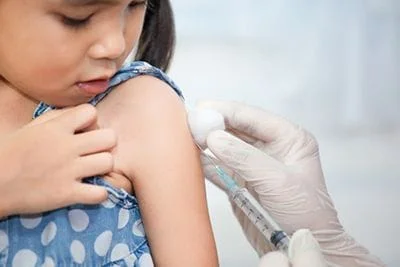
Vaccines stimulate the child’s immune system to produce antibodies, teaching it to recognise and fight specific germs before a real infection can take hold.
When administered according to the NCIS, the body builds immunity in stages. Some vaccines require multiple doses, or “boosters,” to achieve full protection. This staged approach ensures long-term immunity during the most vulnerable years of life.
And it’s not just individual protection, vaccinating a high percentage of children creates herd immunity, which reduces the spread of diseases within the community. This protects babies who are too young to be vaccinated or individuals with weakened immune systems.
Why Timing Matters
One of the most important aspects of the NCIS is timing. Each vaccine is scheduled for specific age milestones, such as:
- Birth: BCG and Hepatitis B
- 2, 4, and 6 months: DTP, Hib, Polio, and Pneumococcal vaccines
- 12 months: MMR and Pneumococcal booster
- 15–18 months: Varicella and MMR second dose
- Around 10–11 years old: HPV vaccine for girls, Tdap booster
Following the schedule ensures that children are protected before they are exposed to the viruses or bacteria in the environment. Delaying vaccinations increases the risk of infection during critical developmental stages.
Real Impact in Singapore
Singapore’s high vaccination coverage, over 95% for most NCIS vaccines, has had a significant impact on public health. Diseases like polio and diphtheria have been eliminated locally. Outbreaks of measles and whooping cough are now rare.
However, complacency can be dangerous. As seen in other parts of the world, vaccine hesitancy or delays can lead to the resurgence of preventable diseases. That’s why consistent adherence to children’s NCIS vaccinations is essential for ongoing protection.
Safe and Monitored
Some parents may worry about side effects. It’s important to know that vaccines included in the NCIS are rigorously tested and approved by the Health Sciences Authority (HSA) and international bodies like the WHO.
Mild side effects like fever or soreness at the injection site are common and temporary. Healthcare providers are trained to monitor and report any adverse reactions. Serious side effects are extremely rare, and the benefits of immunisation far outweigh the risks.
Support for Parents
Parents can track their child’s vaccination schedule using the HealthHub app, which provides reminders and access to digital health records. If your child misses a vaccination, GPs and polyclinics can help you catch up with a revised plan. Additionally, all children NCIS vaccinations are fully subsidised for Singapore Citizens, helping to remove financial barriers to timely protection.
Conclusion
The NCIS is one of Singapore’s most successful public health strategies. By offering children NCIS vaccinations according to a carefully designed schedule, it has safeguarded generations from illnesses that once posed deadly threats.
If you’re a parent or caregiver, don’t wait until it’s too late. Stay informed, stick to the schedule, and give your child the best possible start in life, with protection that begins before the first sign of illness. Vaccination is not just a medical act, it’s a lifelong investment in your child’s future health.