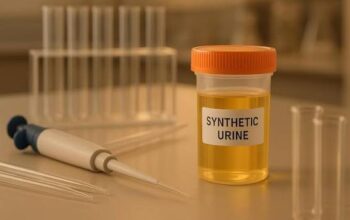
Laboratory reference materials help researchers compare methods under controlled settings. Some products are created only for research training or equipment evaluation. Fake pee are one example of these controlled laboratory materials. Their purpose depends on the manufacturer’s statement plus the intended research setting. Proper storage matters because material quality changes over time.
Purpose of Laboratory Reference Materials
Research materials support training quality checks plus laboratory demonstrations. They are not suitable for replacing human samples during medical or legal testing.
Manufacturers usually describe intended use through clear product documentation. Reading those details helps users understand proper handling expectations.
Common Product Design Elements
Different laboratory products contain different components.
- Specifications vary between manufacturers plus intended research purposes.
- Container design helps reduce accidental spills during normal laboratory handling.
- Printed instructions explain proper storage before planned research activities.
- Clear labels improve identification during organized laboratory documentation.
- Secure caps reduce unnecessary exposure during routine material handling.
- Batch details support organized record keeping across different laboratory sessions.
- Packaging protects contents during transport before laboratory evaluation begins.
- Reference information helps compare product versions through documented specifications.
- Shelf life details guide proper inventory planning within laboratory storage.
Storage Conditions Influence Material Stability
- Storage guidance helps preserve product quality during the recommended period.
- Temperature changes may influence appearance or consistency over time.
- Keeping containers sealed reduces unwanted exposure before research use.
- Always review printed instructions before placing products into storage.
Which Product Details Matter During Laboratory Research Activities Today?
Laboratory staff usually compare documentation before selecting reference materials. Product labeling, storage guidance, batch information plus handling notes help maintain organized research records. Consistent documentation supports better comparison between different evaluation sessions without creating confusion.

Reading Product Documentation Carefully
- Every manufacturer provides different information for its laboratory products.
- Understanding those details helps avoid incorrect handling or storage decisions.
- Good documentation supports organized laboratory work plus consistent record keeping.
Helpful Questions About Laboratory Reference Materials
The following questions cover common educational topics. Answers remain focused on laboratory learning plus responsible handling.
- What does product labeling explain? It describes intended research purpose plus storage guidance.
- When should storage instructions be checked? Before opening every laboratory reference product.
- Which information deserves attention first? Expiration date plus manufacturer documentation.
- Where should unused material remain? Inside recommended storage conditions listed by manufacturers.
- How does packaging help laboratories? It protects contents during transport plus storage.
- What supports organized laboratory records? Batch information plus documented handling procedures.
Responsible Handling Supports Better Laboratory Practice
- Careful documentation helps maintain organized research activities every day.
- Products should always remain within their stated laboratory purpose.
- Following manufacturer guidance supports consistent handling across different evaluations.
- Accurate records create reliable comparisons without unnecessary confusion.
Laboratory reference materials Fake pee have a specific role within research settings. They should always be handled according to manufacturer instructions plus applicable laboratory policies. Consistent storage, careful documentation plus responsible use provide the strongest foundation for dependable research practices over time.
Consistent Records Improve Research Quality
Clear records help laboratories review previous observations without confusion.
Simple notes support better comparison between different research sessions.
Photographs, dates, batch numbers, plus storage details provide useful reference information.
Routine documentation also helps identify small changes before they become larger concerns.
Good record keeping reduces mistakes during future evaluations.
It also supports better communication among laboratory team members.
Every observation should match the actual condition of the reference material.
Small details often become valuable during later reviews.
A careful documentation routine creates dependable research history.
This approach supports organized laboratory work through every stage of material evaluation.